How to file a water damage insurance claim in Massachusetts
A claim usually goes more smoothly when the records start before the cleanup does. Here is the order to do things in, from the first photo to a disputed settlement.
Published . 6 minute read.
How do you file a water damage insurance claim?
Stop the damage if you safely can, then photograph everything before it is moved. Report the loss to your insurer promptly and get a claim number. Keep receipts, list damaged items, meet the adjuster with your records, and review the written estimate before agreeing to a settlement.
Water damage forces you to do two things at once: get the house dry and build a record of what happened. If the cleanup erases the evidence, the claim gets harder. If you wait for an adjuster before doing anything, the damage can spread.
The way through is to record first, then protect the property, and keep paperwork from the first hour on. Policies differ, so treat this as a general guide and check your own policy for its exact rules and deadlines.
Step 1: Record the damage before it changes
Take a few minutes with your phone before moving anything, as long as the area is safe to enter.
- Wide shots of each affected room, then close-ups of walls, floors, ceilings and belongings
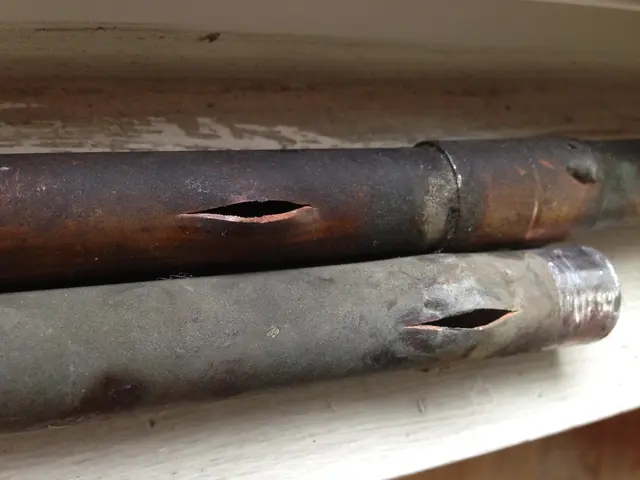
- The cause: the split pipe, failed hose, roof leak or overflowing drain
- A short video walking through the house while you describe what you see
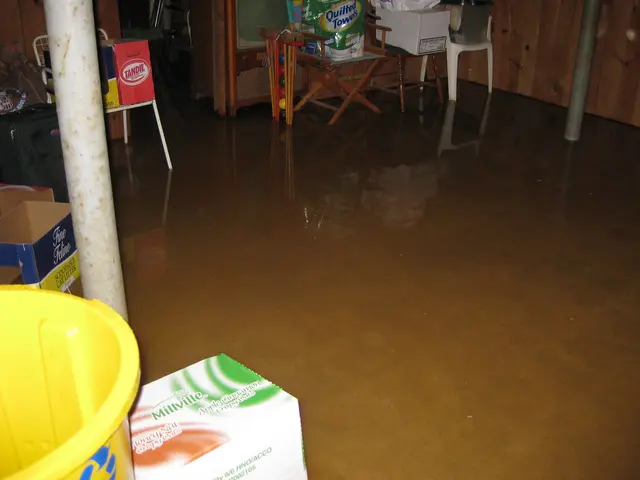
- The water level, with a tape measure against the wall if there is standing water
- A note of the timing: when the water appeared and the last moment everything looked normal
Keep any failed part, such as a burst hose or a cracked fitting. Your insurer may want to see it, and it can matter if someone else turns out to be responsible.
Step 2: Prevent further damage, and keep every receipt
Homeowners policies generally expect you to take reasonable steps to protect the property after a loss. Damage that spreads because nothing was done may not be paid for. In practice, that means stopping the water, getting it out, and starting to dry the building, without waiting for an adjuster to visit.
What is reasonable right now is emergency work: removing water, drying, tarping a roof, and boarding up an opening. Permanent repairs, like new flooring or cabinets, can usually wait until the insurer has seen the damage. If you are unsure which is which, ask when you report the claim.
Save the receipts for everything you pay for, including equipment rental, supplies, and hotel or meal costs if you have to move out. See how emergency water removal and structural drying work if you need that help.
Step 3: Report the loss and get a claim number
Call your agent or the insurer's claims line as soon as you can, or use the insurer's app. Policies generally require prompt notice, and waiting can create problems of its own. Have your policy number, the date and cause, and a short description of what is damaged.
Before you hang up, ask:
- What is my claim number, and who is my adjuster?
- When will the adjuster inspect, and how do I reach them?
- Does the insurer need to approve anything before work starts?
- What deadlines apply to my documents, and where do I send them?
- Does my policy pay for living costs if we cannot stay here?
Stick to what you know. If you do not yet know the cause or how long the leak ran, say so rather than guessing. Note the date, the name of the person you spoke with and what they said after every call, and confirm important points by email.
Step 4: Find the terms that affect your payout
Your declarations page and policy wording decide how much you receive. These are the terms to look for:
| Term | What it means for you |
|---|---|
| Deductible | The amount you pay before coverage applies. Some policies set a separate deductible for water damage. |
| Replacement cost | Pays what it costs to replace an item with a new equivalent, often only after you actually replace it. |
| Actual cash value | Pays replacement cost minus depreciation, so older items bring in less. |
| Loss of use | Helps with extra living costs, such as a hotel, if a covered loss makes the home unlivable. |
| Mold limit | Many policies cap what they pay for mold, even when the water loss itself is covered. |
| Water backup endorsement | An add-on for water that comes up through drains, usually with its own limit. |
If you are not sure the type of water you had is covered at all, start with our guide to flood, sewer backup and plumbing leak coverage.
Step 5: Make a list of everything you lost
A spreadsheet or a simple notebook page is enough. For each damaged item, write down what it is, the brand or model, roughly when you bought it, what it cost and what it would cost to replace. Add photos and any receipts or bank records you can find.
Keep ruined belongings until each one is on the list and in a photo, and check with your adjuster before anything large goes to the curb. If something has to go right away for health reasons, like spoiled food or materials soaked by sewage, photograph it first and add it to the list.
Step 6: Meet the adjuster with your records ready
The adjuster inspects the damage for the insurer and writes up an estimate. Be there if you can, and walk them through everything, including areas that are easy to miss, such as the ceiling below, closets and the basement.
- Hand over your photos, item list and receipts, and keep copies.
- Share any moisture readings or drying logs. They show water inside walls and floors that nobody can see by looking.
- Ask for a written copy of the estimate, and read every line of it.
- Compare it with a contractor's written estimate. Look for missing rooms, materials or steps.
If damage turns up later, for example when a wall is opened, tell the insurer before it is repaired and ask how to add it to the claim. This is often called a supplement.
Who does what on your claim
The claim is between you and your insurer. A few people can help, and their roles are different:
- The insurance company's adjuster works for the insurer.
- A restoration company can give you photos, moisture logs and a written scope of work to submit. Read anything it asks you to sign, especially a document that transfers your claim rights or payment to the company.
- A public adjuster is licensed to represent you in a claim and is usually paid a percentage of the settlement. Ask about the fee in writing, and check the license with the Massachusetts Division of Insurance.
- An attorney can advise you on a serious dispute, including what your policy and Massachusetts law allow.
If your claim is denied or the offer seems low
- Get the reason in writing, including the policy wording the insurer is relying on.
- Read that wording yourself, and check whether it matches what actually happened.
- Send what is missing: a plumber's note on the cause, a contractor's estimate, moisture logs or more photos.
- Ask for a review by a supervisor, in writing, and keep a copy of everything you send.
- Check your policy for an appraisal clause, a process some policies use for disputes over the amount of a loss.
- Get outside help from a public adjuster or an attorney if the amount justifies it. Policies set time limits for disputes, so do not let this drift.
You can also ask the Massachusetts Division of Insurance for help or file a complaint about an insurer's handling of your claim.
Flood policies, renters and multi-family buildings
- Flood insurance is a separate claim. National Flood Insurance Program policies have their own rules, including a signed proof of loss, generally due within 60 days of the flood. Confirm the deadline with your adjuster, and see FloodSmart.gov.
- Renters usually claim belongings on their own renters policy, while the owner's policy covers the building. Tell your landlord about the damage in writing right away.
- Condo owners may have two policies involved: the association's master policy and their own unit policy. Tell both the association and your insurer, and ask where one ends and the other begins.
- Water from another unit can raise questions about who is responsible. Report it to your own insurer anyway, and let the insurers sort out any claim against the other party. Photographs of the source help if you can get them.
Is it worth filing a claim?
Not always. If the cost of repairs is close to your deductible, a claim may pay little or nothing and still appear in your claim history. Get a written estimate first if the damage looks minor, and ask your agent how a claim could affect your premium before you decide. Some insurers may note even a question about a possible loss, so ask how that works before describing specific damage.
Whatever you decide, deal with the water right away. Mold can start within a day or two, and many policies limit what they will pay for it, so see mold remediation if growth has already begun.
Sources
- Massachusetts Division of Insurance
- Insurance Information Institute: Facts + Statistics, Homeowners and Renters Insurance
- FloodSmart.gov: the National Flood Insurance Program
- U.S. EPA: A Brief Guide to Mold, Moisture and Your Home
General information only, not insurance or legal advice. Check your own policy for what it covers.