Flood or sewer backup? What insurance usually covers in Massachusetts
Two basements can look the same after a storm and be covered by completely different policies. Where the water came in is what decides it.
Published , updated . 4 minute read.
Does homeowners insurance cover a flooded basement in Massachusetts?
That depends on the source. Sudden plumbing leaks are usually covered by a homeowners policy. Water that rose from outside is flood, which needs a separate flood policy. Water that rose out of a drain or toilet is a sewer backup, which usually needs a water backup endorsement.
After a heavy rain or a nor'easter, the first question most homeowners ask is whether insurance will pay. The answer has less to do with how much water there is and more to do with how it got in.
This guide explains the three sources insurers separate, how to tell which one you have, and what to do before you file. It is general information. Your own policy and your agent have the final word.
Three sources of water, three kinds of coverage
| Where the water came from | Typical example | Usually covered by |
|---|---|---|
| Inside the house, suddenly | Burst pipe, failed water heater, broken washer hose | Standard homeowners policy |
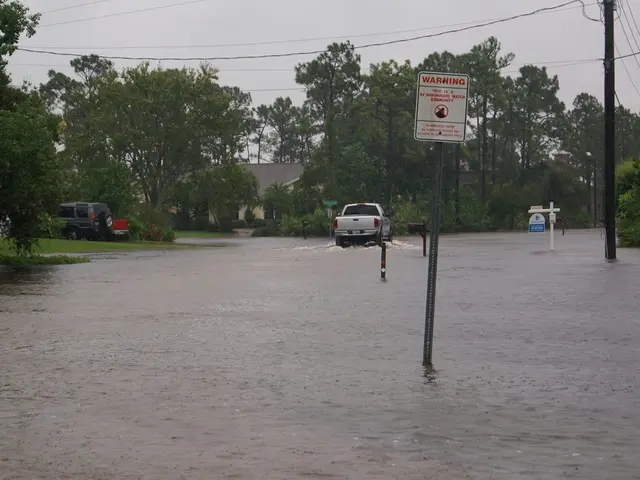
| Outside, rising or flowing in | Storm surge, river overflow, heavy rain running in through walls, doors or window wells | Flood insurance (NFIP or private flood policy) |
| Up through the drains | Sewer or storm water coming up through a floor drain, toilet or shower | Water backup endorsement added to a homeowners policy |
Two more categories are almost never covered: slow leaks that went on for weeks or months, and damage caused by poor maintenance. Insurers treat those as wear and tear rather than sudden events.
How to tell which one you have
Look at where the water entered before anything is cleaned up, and photograph it.
- Plumbing: the water is clean, it started at a fixture or pipe, and it stops when you shut off the main valve.
- Flood: the water came in at ground level from outside, through foundation walls, window wells or doors, during or right after rain, snowmelt or a coastal storm. There is often a line of mud or debris.
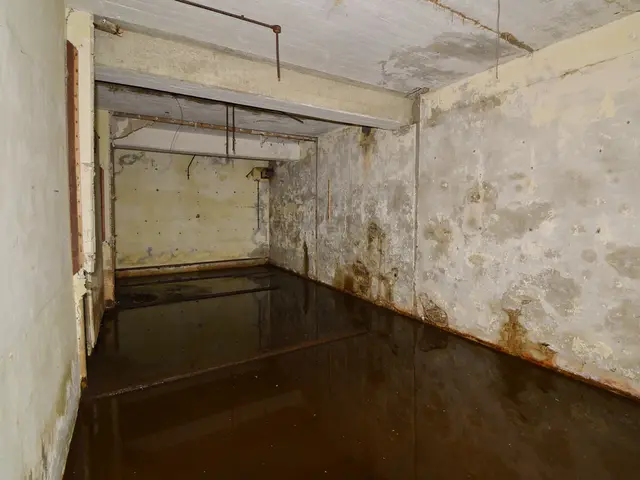
- Sewer backup: the water came up through the lowest drain in the house, usually a basement floor drain or toilet. It is often gray or brown and smells of sewage.
A basement can have more than one source in the same storm. Groundwater can seep through the walls while the floor drain backs up. Note both, because the insurer will treat them separately.
Flood insurance: what to know
Standard homeowners policies exclude flood. Flood coverage comes from a separate policy, either through the National Flood Insurance Program, which FEMA runs and which is sold through regular insurance agents, or from a private flood insurer. Details are at FloodSmart.gov.
- There is usually a waiting period. A new NFIP policy generally takes effect 30 days after purchase, so buying one when a storm is in the forecast is usually too late.
- Basement coverage is limited. NFIP policies generally cover essentials in a basement, such as the furnace, water heater, electrical panel and cleanup, but not finished walls, flooring or most belongings stored there.
- You do not need to live in a mapped flood zone to buy a policy, and many flood claims come from outside high-risk zones.
Coastal North Shore towns see flooding from storm surge and from heavy rain that overwhelms drainage. If water has ever come into your basement from outside, it is worth asking your agent about a flood quote. For cleanup after outside water, see storm and flood damage restoration.
Sewer and drain backup coverage
A standard homeowners policy normally leaves out damage from sewer or drain backups. Covering it takes an add-on, usually called a water backup endorsement. The endorsement usually has its own coverage limit, which can be much lower than your main policy limit, so check the number on your declarations page.
Backups tend to happen during heavy rain, when the sewer system carries more water than it can handle and the lowest opening in a building, usually a basement floor drain, is where it comes out. Our guide to preventing sewer backups covers everyday habits and warning signs. Two things lower the risk:
- A backwater valve, installed by a licensed plumber, that lets water leave the house but stops it from flowing back in
- A sump pump with a battery backup, since storms that cause backups also cause power outages
Sewage is contaminated water and needs different handling from a clean leak. See sewage backup cleanup for what that involves.
Why the source also matters for your health
Restoration professionals sort water into three categories. Clean water from a supply line is the least risky. Gray water, such as washing machine discharge, carries some contamination. Black water, which includes sewage and floodwater from outside, can carry bacteria and other contaminants.
Floodwater and sewer backups should be treated as black water. Wear waterproof boots and gloves, keep children and pets away, and do not try to save porous items like carpet, padding or upholstered furniture that sewage has soaked. The American Red Cross flood safety guide has more on staying safe during cleanup.
Before you file a claim
- Photograph and video everything before it is moved: the water line on the walls, the entry point, damaged belongings and the outside of the house.
- Stop further damage. Policies expect you to take reasonable steps to limit the damage, like getting water out and the space drying. Keep every receipt.
- Do not throw out damaged items until they are photographed and listed, and ask your adjuster before discarding large items.
- Call your agent or insurer to open the claim and ask which coverage applies.
- Keep a written log of every call: date, name and what was said.
If you have trouble with a claim, the Massachusetts Division of Insurance takes consumer questions and complaints about insurers. For the cleanup itself, our flooded basement cleanup page explains how moisture readings and photos are documented for your adjuster.
Check your policy before the next storm
Ten minutes with your declarations page now saves a lot of stress later. Look for:
- Whether you have a water backup or sewer backup endorsement, and its limit
- Whether you have a separate flood policy, and when it renews
- Your deductible for water claims
If anything is missing, ask your agent what it would cost to add before storm season, not after.
Sources
- FloodSmart.gov: the National Flood Insurance Program
- Massachusetts Division of Insurance
- Insurance Information Institute: Facts + Statistics, Homeowners and Renters Insurance
- Ready.gov: Floods
- American Red Cross: Flood Safety
General information only, not insurance or legal advice. Check your own policy for what it covers.