What not to flush or pour: how to prevent a sewer backup
Many sewer backups start with what goes down the drains. The rest start in the street. You can do something about both.
Published . 3 minute read.
How do you prevent a sewer backup?
Keep grease, wipes and other non-flushable items out of drains, watch for slow drains and gurgling that signal a clog building, have older sewer lines inspected for roots and damage, and ask a licensed plumber about a backwater valve, which stops sewage from flowing back into the house.
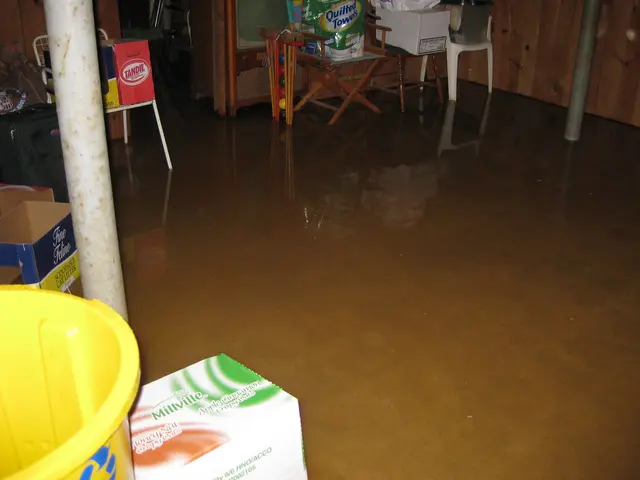
A sewer backup is one of the most unpleasant kinds of water damage. The water is contaminated, cleanup is more involved, and many insurance policies only cover it with a separate endorsement.
Backups have two main causes: a blockage in your own line between the house and the street, or a public sewer that is overloaded, usually during heavy rain. This guide covers what you can control.
Keep grease out of the kitchen sink
Fats, oils and grease go down the drain as liquid and harden as they cool. They coat the inside of pipes and catch everything that follows. Grease buildup is a leading cause of blockages in both home lines and public sewers.
- Pour cooled grease into a can or jar and put it in the trash.
- Wipe greasy pans with a paper towel before washing them.
- Use a sink strainer to catch food scraps.
- Do not count on hot water or dish soap to carry grease away. It hardens further down the line.
Only flush toilet paper
Toilets are designed for human waste and toilet paper. Plenty of products sold as flushable do not break down the way toilet paper does. Keep these out of the toilet:
- Wipes of any kind, including ones labeled flushable
- Paper towels, tissues and cotton balls
- Dental floss, hair and cotton swabs
- Feminine products and diapers
- Medications, which also should not go into the water supply
Keep a small trash can in every bathroom so there is an easy alternative.
Warning signs a backup is coming
Main line blockages usually give some warning before sewage comes up through a drain:
- Several drains running slowly at the same time
- Gurgling from a toilet when the sink or tub drains
- Water rising in the shower or basement floor drain when you flush or run the washer
- Sewage smells near floor drains
If more than one fixture is affected, the problem is likely in the main line, not a single drain. Stop using water and call a plumber before it backs up. If sewage has already come into the house, see sewage backup cleanup.
Your sewer line between the house and the street
In most cities the homeowner is responsible for the private sewer line, often called the lateral, that runs from the house to the public sewer. In older neighborhoods these lines can be decades old and made of clay or cast iron. Tree roots get into joints and cracks, and old pipes can sag or collapse.
A plumber can run a camera through the line to look for roots, breaks and low spots. If your house has had a backup before or has large trees near the line, an inspection is worth doing before the next one. For questions about the public sewer in Lynn, contact the Lynn Water and Sewer Commission.
Backups during heavy rain
Not every backup is your fault. The EPA notes that sanitary sewers can overflow when heavy rain and stormwater get into the system and exceed its capacity. When that happens, sewage looks for the lowest exit, which can be a basement floor drain.
Two upgrades help:
- A backwater valve on the main sewer line works like a one-way gate: wastewater flows out, and a flap closes if sewage pushes back. Have a licensed plumber install it and pull any permit the town requires.
- Keeping roof and yard water out of the sewer. Downspouts and sump pumps should discharge to the yard or storm drain where local rules allow, not into floor drains or the sewer line.
Sewer backup damage is usually excluded from standard homeowners policies unless you add a water backup endorsement. See flood vs. sewer backup: what insurance covers.
If it happens anyway
- Stop running water, flushing toilets and using the washer or dishwasher.
- Keep children and pets away from the area.
- Do not touch sewage water with bare skin. Wear rubber boots and gloves if you have to go near it.
- Photograph the damage and the drain it came from.
- Call a plumber to clear the line and a restoration company to clean and disinfect.
Porous materials soaked by sewage, like carpet and padding, usually cannot be saved. Hard surfaces can be cleaned and disinfected, and the structure dried. Our structural drying page explains the drying part.
Sources
- U.S. EPA: Sanitary Sewer Overflows
- Lynn Water and Sewer Commission
- Insurance Information Institute: Facts + Statistics, Homeowners and Renters Insurance
General information only, not insurance or legal advice. Check your own policy for what it covers.