Nor'easter prep checklist for North Shore homes
A nor'easter brings wind, heavy rain or snow, coastal flooding and power outages, sometimes all at once. Most of the water damage it causes can be reduced with a day or two of preparation.
Published , updated . 3 minute read.
How do you prepare a house for a nor'easter?
Clear gutters, downspouts and storm drains near the house, test the sump pump and its backup power, move valuables off the basement floor, photograph your home and belongings, charge phones and flashlights, and know where your main water and electrical shut-offs are before the storm arrives.
Nor'easters are named for the strong northeast winds they drive onto the New England coast. For North Shore homes, that means wind-driven rain against siding and windows, storm surge in low coastal areas, heavy wet snow, and power outages that knock out sump pumps right when they are needed most.
This checklist is ordered by time: what to do a few days ahead, the day before, during the storm and right after.
A few days before
- Clean gutters and downspouts and make sure downspouts discharge several feet away from the foundation.
- Test the sump pump by pouring a bucket of water into the pit. It should start on its own and empty the pit. Check that the discharge line outside is not blocked.
- Check backup power for the pump. A battery backup pump or a generator connection keeps it running if the power goes out.
- Review your insurance. Flood damage needs a separate flood policy, and a new flood policy usually has a waiting period, so this cannot wait until the storm is in the forecast. See what insurance usually covers.
- Know your shut-offs. Find the main water valve and the electrical panel, and make sure everyone at home knows where they are. Own a shop or rental building? Use our water damage plan for small businesses and landlords.
The day before
- Move valuables up. Get documents, electronics, photos and anything irreplaceable off the basement floor and away from exterior walls.
- Photograph and video your home, inside and out, including the basement and its contents. Before-photos make claims much easier.
- Clear storm drains near your driveway and street of leaves and debris, if it is safe to do so.
- Bring in or tie down outdoor furniture, trash cans and anything wind can throw against windows.
- Charge phones, power banks and flashlights. Have batteries and a battery-powered radio for weather updates.
- Check window wells and basement doors. Covers on window wells keep rain from pooling against basement windows.
If you live in a coastal flood area, follow local evacuation instructions. No house is worth staying for.
During the storm
- Check the basement every few hours for water at the walls, floor drain and sump pit.
- Do not walk or drive through flood water. The National Weather Service warns that six inches of fast-moving water can knock over an adult, and 12 inches of rushing water can carry away most cars.
- If the power goes out, never run a generator, grill or camp stove indoors or in a garage. Carbon monoxide builds up quickly.
- If water is rising toward electrical outlets or the panel, get out of the basement and do not touch anything electrical.
Right after the storm
- Check for hazards first: downed power lines outside, gas smells, and water near electrical equipment.
- Photograph all damage before you start cleaning, including water lines on walls.
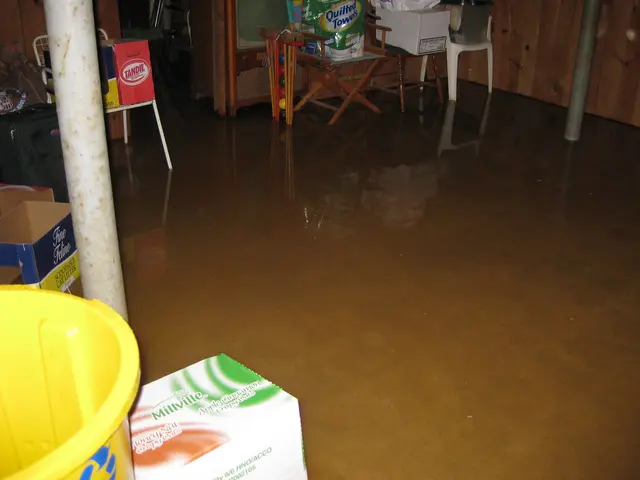
- Figure out where the water came in. Surface flooding, roof leaks and sewer backups are handled differently by insurers.
- Start drying within a day or two. Wet drywall, carpet and wood that stay damp for more than a day or two invite mold.
- Assume flood water is dirty. It can carry sewage and chemicals, so wear rubber boots and gloves, and throw out any food or medicine it touched.
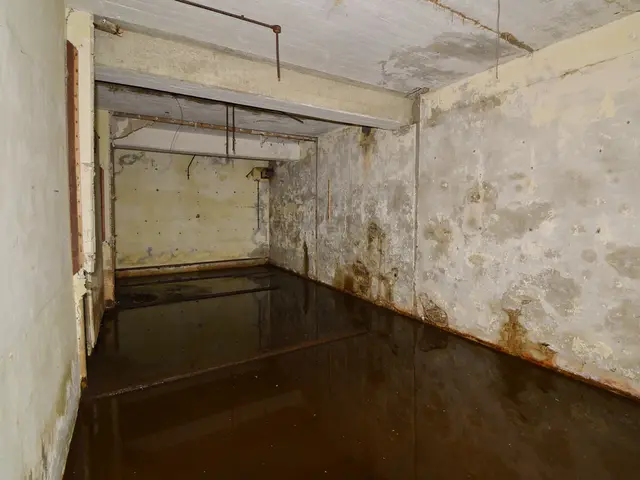
When storm water has come inside, our storm and flood damage restoration page explains how that cleanup differs from a plumbing leak. If water got into the basement, flooded basement cleanup explains the pumping and drying process.
When the nor'easter brings snow
Snowy nor'easters cause a different set of water problems that show up days later:
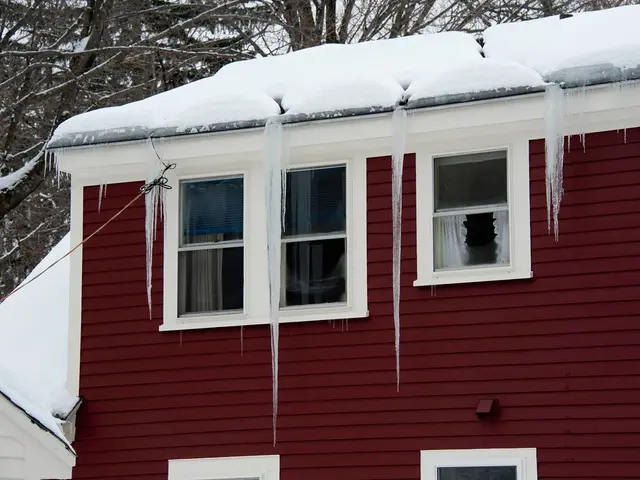
- Ice dams form at the roof edge and push meltwater under shingles. Once the snow stops, pull snow off the roof edge with a long-handled roof rake while standing on the ground. Read our ice dam guide.
- Frozen pipes become more likely when outages cut the heat. Keep cabinet doors open and let faucets on exterior walls drip during extreme cold.
- Snowmelt pools against the foundation. Shovel snow away from the house and clear the area around basement window wells.
Sources
- National Weather Service: Flood Safety
- Ready.gov: Floods
- Ready.gov: Power Outages
- U.S. EPA: A Brief Guide to Mold, Moisture and Your Home
- FloodSmart.gov: the National Flood Insurance Program
General information only, not insurance or legal advice. Check your own policy for what it covers.