How fast does mold grow after water damage?
The window to prevent mold after a leak or flood is short. What happens in those first two days decides whether you are drying a room or removing mold from it.
Published , updated . 3 minute read.
How fast does mold grow after water damage?
Mold can begin growing on wet materials within 24 to 48 hours, which is why the EPA advises drying water-damaged areas within that window. Visible spots often take longer to show, so a room can look fine while mold is already growing inside walls, under flooring or on the back of drywall.
Mold spores are already present in almost every home, indoors and out. They do nothing until they land on something damp. A leak, a flooded basement or a slow drip gives them what they need, and growth can start within a day or two.
That means the most effective mold prevention is not a spray or a cleaner. It is getting wet materials dry, fast.
The 24 to 48 hour window
The EPA puts the deadline at one to two days: get wet materials and belongings cleaned and dried in that time and mold usually never gets a foothold. Drying means the materials themselves are dry, not just the surface.
That is the hard part. Mopping up standing water takes an hour. Drying a soaked wall cavity, a subfloor or the carpet pad underneath can take days, even with fans running. Materials that look and feel dry on the surface can still hold enough moisture inside for mold to grow.
Professional drying uses dehumidifiers and air movers sized to the room and checks moisture readings every day until the materials are back to normal. See our structural drying page for how that works.
What mold needs to grow
- Moisture. This is the one you can control. Without it, mold does not grow.
- Something to feed on. The paper facing on drywall, wood framing, carpet backing, cardboard boxes, ceiling tiles and even household dust.
- Mild temperatures. Normal indoor temperatures are fine for mold. A damp basement in summer is ideal for it.
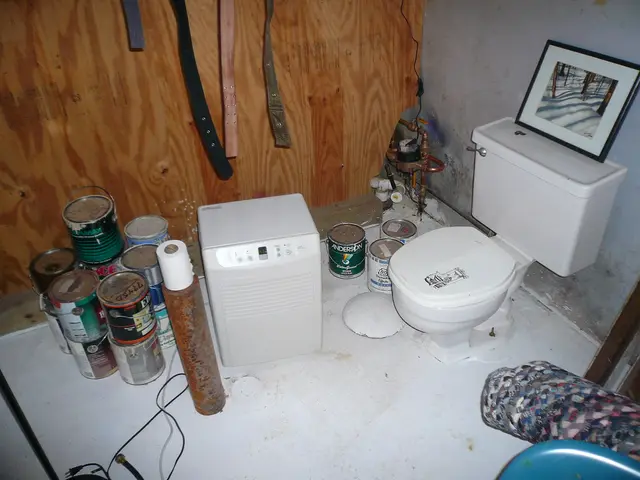
The EPA recommends keeping indoor humidity below 60 percent, ideally between 30 and 50 percent. A basement dehumidifier helps a lot through a humid New England summer, and our guide to keeping a basement dry explains how to set one up.
Where mold hides after a leak
- Behind baseboards and at the bottom of drywall, where water wicks up from a wet floor
- Under carpet, in the foam pad, which can stay wet for days after the top feels dry
- Inside wall cavities, on the back of drywall and on wet insulation
- On attic sheathing after an ice dam leak. See how ice dams form.
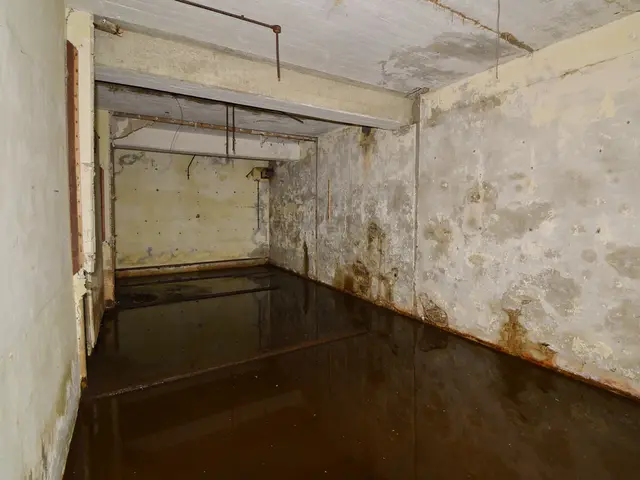
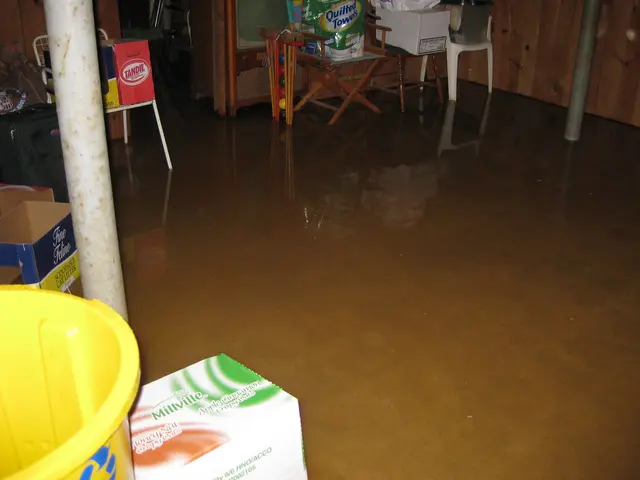
- On basement framing and stored boxes after a flood or sump pump failure. See flooded basement cleanup.
Signs you already have mold
- A musty, earthy smell that is stronger in one room or after the heat or air conditioning runs
- Spots or fuzzy patches in black, green, gray or white
- Stains, peeling paint or warped surfaces where water was
- Allergy-type symptoms that ease when you leave the house
Mold can cause allergic reactions and can make asthma worse. If anyone in the house has symptoms, talk to a doctor.
Can you clean it up yourself?
According to the EPA, if the moldy area is less than about 10 square feet, roughly a 3 foot by 3 foot patch, you can usually handle it yourself:
- Fix the water problem first, or the mold will come back.
- Scrub hard surfaces with detergent and water, then dry them completely.
- Throw out porous materials that stay moldy, such as ceiling tiles and carpet.
- Wear an N-95 respirator, gloves and goggles.
The EPA does not recommend bleach as a routine part of mold cleanup. If you do use it, never mix it with ammonia or other cleaners, which creates toxic fumes.
Call a professional when the area is larger than about 10 square feet, when mold is inside walls or the heating and cooling system, when the water was sewage or floodwater, or when someone in the house has health concerns. Our mold remediation page explains how containment and removal work.
The best mold prevention is fast drying
After any leak or flood:
- Stop the water source.
- Remove standing water the same day. See emergency water removal.
- Pull up wet rugs and move belongings out of the wet area.
- Run dehumidifiers and fans, and keep the space warm and ventilated.
- Check that walls, floors and ceilings are actually dry, not just dry to the touch.
If a pipe burst, our first-hour burst pipe guide walks through the steps in order.
Sources
General information only, not insurance or legal advice. Check your own policy for what it covers.